
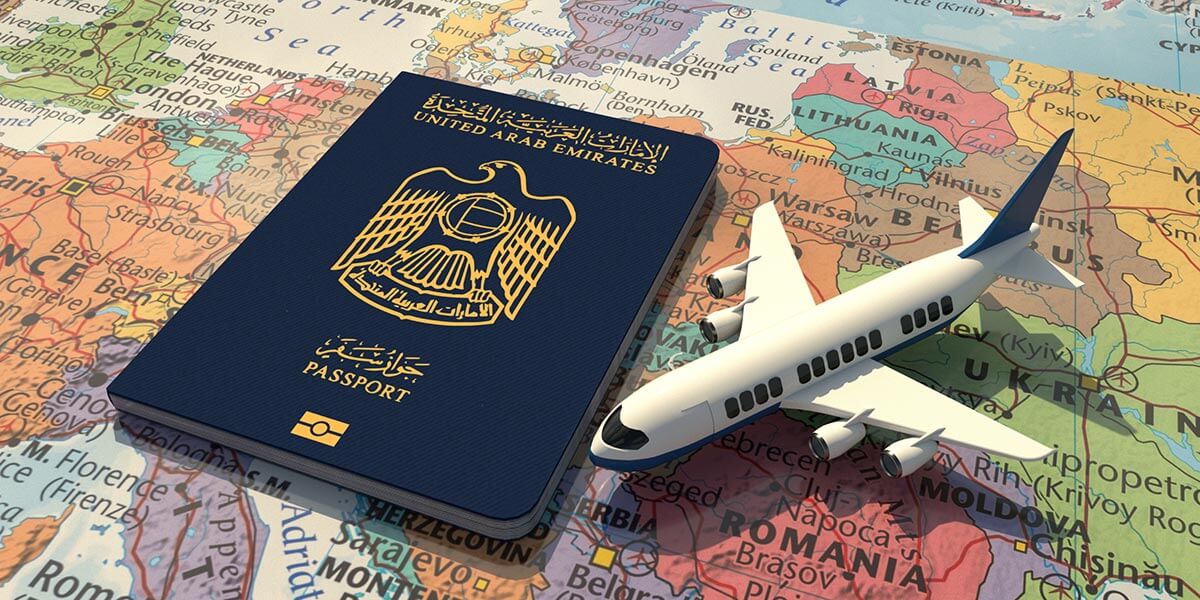
Passport rules rarely feel important until a traveler is standing at an airport counter and discovering that their document is not accepted for travel. Many people assume that as long as a passport is not expired, it is valid everywhere. The reality is far more complex, and small details about validity periods can determine whether a journey proceeds smoothly or ends before it begins.
During my years of traveling across the Americas, I have watched experienced travelers get turned away at check-in counters because their passports did not meet destination requirements, even though the documents were technically still valid. I have also met first-time travelers who assumed expiration dates were the only rule that mattered. Passport Validity Rules Every Traveler Should Know are often overlooked until they become urgent, and by then the options are usually limited.
Why Passport Validity Rules Exist
Passport validity rules are designed to ensure that travelers have sufficient time remaining on their travel documents throughout their trip. Governments use these rules to avoid situations where visitors become stranded with expired passports while abroad. The goal is to maintain smooth border control processes while reducing administrative complications for both travelers and immigration authorities.
These rules also help airlines manage compliance with international regulations. Carriers are responsible for ensuring passengers meet entry requirements before boarding flights. If a traveler arrives at a destination with an invalid or nearly expired passport, the airline may be held accountable for transporting them.
I have seen many travelers surprised by how strictly these rules are enforced. Even when a passport is valid on the day of departure, it may still be rejected if it does not meet the destination’s minimum validity requirements.
The Six-Month Passport Rule
One of the most widely applied rules in international travel is the six-month validity requirement. Many countries require that a passport remain valid for at least six months beyond the traveler’s intended date of entry or departure.
This rule is designed to account for unexpected delays, extended stays, or emergencies that may occur during travel. It ensures that visitors do not find themselves in a situation where their passport expires while still abroad.
I have encountered travelers who planned trips carefully but overlooked this requirement entirely. They arrived at the airport with valid passports, only to be informed that the remaining validity period was insufficient for entry.
The Three-Month Validity Requirement
Some countries apply a slightly less strict rule, requiring only three months of passport validity beyond the date of entry or departure. This variation often depends on regional agreements or immigration policies.
While less restrictive than the six-month rule, the three-month requirement can still cause confusion for travelers who are not aware of destination-specific regulations. The difference between three and six months may seem small, but it can determine whether a trip proceeds or is delayed.
I have noticed that travelers who visit multiple countries on a single trip are especially vulnerable to this issue. Each destination may enforce different rules, creating a need for careful planning.
Countries With No Minimum Validity Requirement
Not all countries impose extended passport validity rules. Some destinations only require that a passport be valid for the duration of the stay. In these cases, travelers can enter as long as their passport does not expire before they leave the country.
Even in these situations, airlines may still apply stricter requirements than the destination country itself. This creates a layer of complexity that travelers often do not anticipate when planning their trips.
I have seen cases where a traveler technically met a country’s entry requirements but was still denied boarding because the airline enforced a stricter policy. This highlights the importance of checking both airline and immigration rules before departure.
Airline Enforcement of Validity Rules
Airlines play a critical role in enforcing passport validity requirements. Before a passenger boards an international flight, airline staff must verify that all travel documents meet destination entry rules.
If a passport does not meet the required validity period, airlines may refuse boarding to avoid penalties. These decisions are usually based on strict internal guidelines rather than individual judgment.
I have watched passengers attempt to argue their way onto flights, only to be informed that airline systems do not allow exceptions. Once a document fails validation, the decision is typically final at the check-in stage.
Passport Expiration Dates Versus Validity Requirements
Many travelers assume that the expiration date printed on their passport is the only factor that matters. In reality, passport validity rules operate independently of that date.
A passport may still be valid for several months or years, but if it does not meet the destination’s minimum validity requirement, it may still be rejected. This distinction is one of the most common sources of confusion in international travel.
I have met travelers who believed they had plenty of time left on their passports, only to discover that their destination required additional months of validity beyond the expiration date.
How Different Regions Apply Rules
Passport validity rules vary significantly depending on the region. Countries within certain travel zones may have agreements that simplify entry requirements, while others enforce stricter standards.
For example, some regional agreements allow for more flexible travel conditions between neighboring countries. In contrast, long-haul international destinations often apply stricter rules to ensure compliance with immigration systems.
I have traveled across regions where crossing borders felt seamless and others where documentation checks were highly detailed and time-consuming. The difference often came down to how strictly validity rules were enforced.
Special Rules for Transit Passengers
Transit passengers are not exempt from passport validity requirements. Even if a traveler is only passing through a country without entering it fully, minimum validity rules may still apply.
Airports in major transit hubs often enforce strict documentation checks to ensure compliance with international regulations. This means that even short layovers can be affected by passport validity issues.
I have seen travelers miss connecting flights because their passports did not meet transit country requirements, even though they never intended to leave the airport.
Passport Validity for Visa Applications
Visa applications often include their own passport validity requirements. Many countries will not issue a visa unless the passport remains valid for a certain period beyond the intended travel dates.
This requirement ensures that visas remain valid throughout the duration of the traveler’s stay. It also prevents administrative complications if a passport expires while a visa is still active.
I have encountered travelers who had valid visas approved but later discovered their passport validity was insufficient for entry. In such cases, both documents must be valid simultaneously.
Renewing a Passport Before It Expires
One of the most effective ways to avoid validity issues is renewing a passport well before its expiration date. Many experienced travelers choose to renew when several months or even a year of validity remain.
Early renewal reduces the risk of being caught by six-month or three-month rules that apply in different destinations. It also ensures that visa applications and travel plans proceed without interruption.
I have developed the habit of checking passport validity long before booking international travel. This simple step prevents many of the problems that other travelers encounter unexpectedly.
Damaged Passports and Validity Concerns
Even if a passport is technically valid, physical damage can affect its usability. Torn pages, water damage, and worn identification details can lead to rejection at borders.
Immigration officers may refuse entry if they cannot clearly verify the document. Airlines may also deny boarding if a passport appears compromised.
I have seen travelers assume that minor damage would not matter, only to discover that border authorities take a much stricter view of document condition.
Emergency Situations and Validity Exceptions
In rare cases, emergency travel situations may allow for some flexibility in passport validity enforcement. However, these exceptions are not guaranteed and often require official documentation or embassy involvement.
Emergency passports or temporary travel documents may be issued when urgent travel is required. These documents typically come with their own limitations and conditions.
I have observed that travelers who rely on exceptions without prior confirmation often face uncertainty. Official verification remains essential in these situations.
Mistakes Travelers Commonly Make
One common mistake is assuming that a passport is valid simply because it has not expired. This overlooks the additional validity requirements imposed by many countries.
Another mistake involves booking non-refundable travel before verifying passport rules. This can lead to financial loss if entry is later denied due to insufficient validity.
I have also seen travelers rely solely on outdated advice or assumptions rather than checking current regulations. Passport rules can change, making up-to-date verification essential.
How Travel Insurance Relates to Passport Validity
Travel insurance may provide coverage for certain disruptions, but it typically does not cover issues arising from invalid passports. This includes denied boarding or entry due to insufficient validity.
Some policies may assist with emergency travel documentation or related expenses, but coverage varies widely. Reviewing policy terms before travel is important.
I have met travelers who assumed insurance would solve all travel document issues, only to discover that passport validity remains the traveler’s responsibility.
Why Validity Rules Are Strictly Enforced
Strict enforcement of passport validity rules helps maintain global border security and consistency. These rules ensure that travelers are properly documented throughout their stay in foreign countries.
They also help prevent situations where travelers become stranded without valid identification. Governments rely on these standards to maintain control over immigration systems.
I have observed that while these rules can feel restrictive, they serve a practical purpose in maintaining international travel order.
Final Thoughts
Passport Validity Rules Every Traveler Should Know are not always intuitive, yet they play a critical role in determining whether international travel proceeds smoothly. From six-month and three-month requirements to airline enforcement and visa conditions, these rules extend far beyond the expiration date printed in a passport.
Careful planning, early renewal, and consistent verification of destination requirements can prevent most validity-related issues. While the rules may vary between countries, the principle remains consistent: a passport must remain valid not just for the moment of departure, but for the entire journey and beyond.
In my experience, travelers who take time to check these details before booking flights rarely encounter surprises. Those who overlook them often learn their importance at the most inconvenient moment possible. A few minutes of preparation can make the difference between a smooth journey and an unexpected interruption at the airport.


