
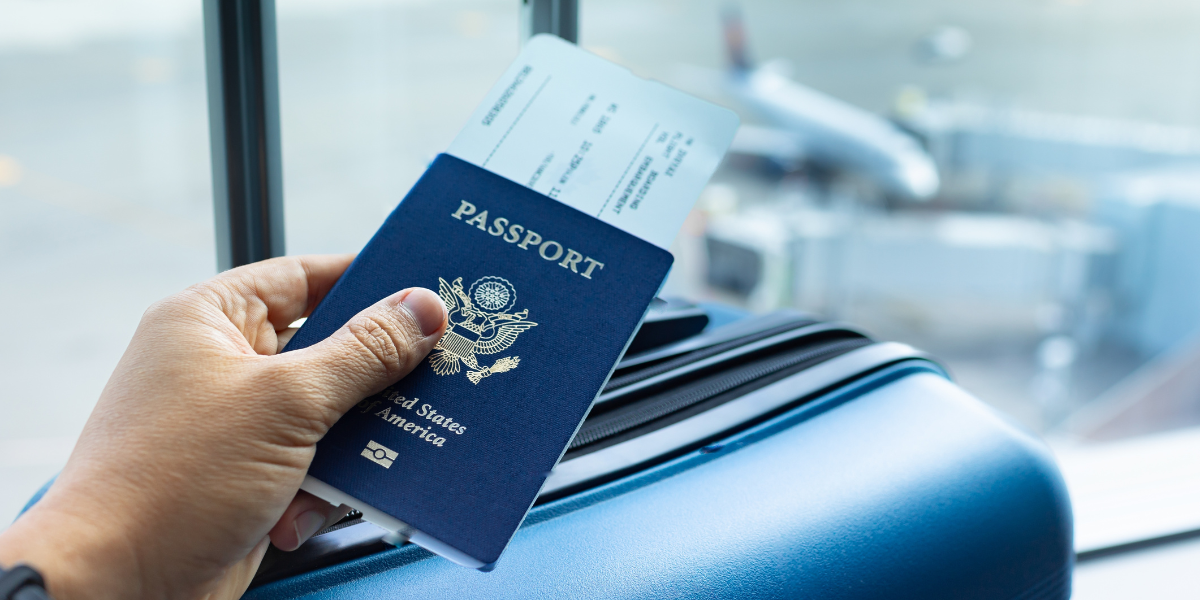
A valid passport opens doors to new countries, cultures, and experiences, but many travelers underestimate how important its expiration date can be. Long before a passport officially expires, it can begin affecting travel plans in ways that catch people completely off guard. Airlines, immigration officials, and foreign governments often have rules that go far beyond simply checking whether a passport is technically valid on the day of travel.
During my years traveling throughout North America, Central America, South America, and the Caribbean, I have encountered travelers who spent months planning a dream trip only to discover that their passport validity was insufficient for entry. Some learned this lesson at the airport check-in counter, while others found out during the visa application process. Passport expiring soon? Here’s what travelers need to know before booking flights, reserving hotels, or packing for their next international adventure.
Why Passport Validity Matters More Than You Think
Many travelers assume that a passport remains fully usable until the exact expiration date printed inside. While that may seem logical, international travel regulations often tell a different story. Numerous countries require visitors to have several months of remaining validity beyond the date they intend to leave.
Governments implement these policies to ensure visitors maintain valid identification throughout their stay. Unexpected delays can happen for countless reasons, including weather disruptions, medical emergencies, transportation strikes, or flight cancellations. Officials want assurance that travelers will not find themselves stranded with expired travel documents.
I have seen travelers become frustrated because they believed they had done everything correctly. Their flights were booked, accommodations were confirmed, and itineraries were complete. Unfortunately, a passport with only a few months remaining was enough to derail their plans before the journey even began.
The Famous Six-Month Passport Rule
One of the most common travel requirements involves the six-month validity rule. Under this guideline, certain countries require a passport to remain valid for at least six months beyond the traveler’s arrival date or planned departure date.
Not all destinations enforce the rule, but enough do that experienced travelers pay close attention to it. Even countries that do not require six months may have their own validity standards. Some require three months, while others apply different conditions depending on nationality or visa status.
I treat six months as a critical benchmark whenever evaluating passport validity. If my passport falls within that window, I begin considering renewal regardless of the printed expiration date. That simple habit has helped me avoid unnecessary complications during international travel.
Countries With Strict Entry Requirements
Travelers are often surprised by how much passport validity requirements vary across destinations. Some countries are relatively flexible, while others maintain strict entry policies designed to protect immigration procedures and border security.
Many destinations throughout Asia, Africa, the Middle East, and parts of Europe require significant remaining validity before allowing entry. Airlines frequently enforce these rules before passengers even board their flights. In many cases, the airline bears responsibility for transporting travelers back home if they are denied entry.
Researching destination-specific requirements should become a standard part of trip planning. Relying on assumptions or outdated information can create expensive and frustrating problems shortly before departure.
Airline Check-In Can Become a Roadblock
Travelers often assume immigration officers at their destination will be the primary authority evaluating passport validity. In reality, airlines frequently become the first line of enforcement.
Check-in agents review travel documents carefully because airlines face penalties when transporting passengers who fail to meet entry requirements. Even if a traveler believes immigration officials might allow entry, airline staff may deny boarding based on published regulations.
I have witnessed disappointed travelers standing at airport counters arguing that their passport remained technically valid. Unfortunately, technical validity is not always enough. Airlines generally follow destination requirements strictly, leaving little room for negotiation.
Visa Applications and Passport Expiration
Passport validity affects more than border crossings. It can also influence the ability to obtain travel visas. Many countries require applicants to possess passports that remain valid well beyond the intended travel period.
A passport nearing expiration may limit visa approval or reduce the length of a visa’s validity. Some applications are rejected entirely until the traveler renews the passport and reapplies.
This issue often catches travelers by surprise because they focus on visa eligibility rather than document validity. Renewing a passport before beginning the visa process can eliminate many potential obstacles.
Business Travelers Face Unique Challenges
Business travel often involves tight schedules and short notice. Meetings, conferences, trade events, and corporate assignments may arise unexpectedly, leaving little time to resolve passport issues.
A passport expiring soon can create complications for both travelers and employers. Important opportunities may be delayed or canceled if travel documentation does not satisfy destination requirements. Corporate travel departments often encourage employees to renew passports well before expiration for this reason.
I have met professionals who missed valuable opportunities because their passport validity fell below required thresholds. Renewing early may seem inconvenient, but it provides flexibility that can prove invaluable later.
Family Vacations Can Be Affected
Family travel introduces another layer of complexity because multiple passports must be monitored simultaneously. Parents frequently focus on their own travel documents while overlooking those belonging to children.
Many countries issue children’s passports with shorter validity periods than adult passports. A family planning an international vacation may discover that one passport creates problems for the entire group.
I have encountered families forced to postpone vacations because a child’s passport did not meet destination requirements. Careful review of all travel documents months before departure can prevent these situations from occurring.
Passport Renewal Processing Times
One reason travelers should pay attention to expiration dates early is that passport renewals are not always instantaneous. Processing times fluctuate throughout the year based on demand, staffing levels, and administrative workloads.
During peak travel seasons, passport agencies often receive a surge of applications. Processing estimates that seem manageable during quieter periods may increase significantly during busy months. Waiting until the final weeks before departure introduces unnecessary risk.
My personal rule is simple. If I anticipate international travel within the next year and my passport has less than twelve months remaining, I begin evaluating renewal options immediately.
Signs It Is Time to Renew
Many travelers wonder how much validity should remain before starting the renewal process. While individual circumstances vary, several indicators suggest that action may be necessary sooner rather than later.
A passport with less than one year remaining deserves attention, particularly if international travel is planned. Upcoming visa applications, business trips, family vacations, and extended journeys all increase the importance of maintaining substantial validity.
Physical condition also matters. Passports with damaged pages, water exposure, excessive wear, or loose covers may create complications even if they remain technically valid. Renewal may be advisable before problems arise.
Last-Minute Travel Opportunities
Some of the most memorable travel experiences emerge unexpectedly. Discounted airfare, spontaneous invitations, family celebrations, and professional opportunities often appear with little warning.
A passport approaching expiration can reduce the ability to seize these opportunities. Instead of booking immediately, travelers may find themselves navigating renewal requirements and processing timelines.
Maintaining a passport with years of remaining validity creates flexibility. It allows travelers to act quickly when exciting opportunities present themselves without worrying about documentation issues.
Common Misconceptions About Passport Expiration
Several misconceptions continue to cause problems for travelers. One of the most widespread is the belief that a passport remains suitable for travel until its expiration date. As countless travelers have discovered, that assumption can be costly.
Another misconception involves destination requirements. Some travelers assume that entry rules remain consistent worldwide. In reality, requirements differ significantly between countries and can change over time.
I also encounter travelers who believe expedited services can solve any passport issue. While expedited options are valuable, appointment availability and processing limitations can still create challenges. Relying on emergency solutions should never be the primary strategy.
How to Protect Future Travel Plans
The simplest way to avoid passport-related disruptions is to make document reviews part of routine travel planning. Checking validity should occur long before flights are booked or reservations are confirmed.
I regularly review passport expiration dates even when no immediate trips are scheduled. This habit ensures I remain prepared for future opportunities while avoiding last-minute surprises.
Digital reminders can also be useful. Setting alerts several months before expiration provides plenty of time to evaluate renewal needs and complete applications without pressure.
The Financial Cost of Delaying Renewal
Many travelers focus exclusively on passport renewal fees while overlooking the broader financial implications of waiting too long. Delayed renewals can trigger expenses that far exceed the cost of the passport itself.
Missed flights, canceled hotel reservations, rebooking fees, expedited processing charges, and lost vacation opportunities can quickly become expensive. What begins as a simple administrative oversight can result in significant financial consequences.
Renewing early is often the most economical option. Standard processing typically costs less than emergency services, and proactive planning helps avoid expensive disruptions to travel arrangements.
Peace of Mind Before Departure
One of the greatest benefits of maintaining a valid passport is peace of mind. Travel already involves enough variables, from weather and transportation to accommodations and itinerary changes.
Removing passport concerns from the equation allows travelers to focus on experiences rather than paperwork. Confidence in travel documentation creates a smoother and more enjoyable planning process.
I have always found that trips feel more exciting when administrative details are already resolved. A passport with ample remaining validity removes uncertainty and allows anticipation to replace anxiety.
Preparing for Long-Term Travel
Extended trips require even greater attention to passport validity. Travelers spending months abroad may encounter multiple border crossings, visa renewals, and immigration requirements during a single journey.
A passport nearing expiration can complicate these activities considerably. Some countries require substantial validity not only upon arrival but also throughout the duration of a visitor’s stay.
Long-term travelers benefit from renewing well in advance of expiration. Additional validity provides flexibility and reduces the likelihood of documentation problems while abroad.
Final Thoughts
Passport expiring soon? Here’s what travelers need to know: the expiration date printed inside your passport tells only part of the story. International travel requirements, visa regulations, airline policies, and destination-specific rules often demand significantly more remaining validity than many travelers expect.
Waiting until the final months before expiration introduces unnecessary risks that can affect vacations, business trips, family visits, and spontaneous adventures. Renewing early provides flexibility, protects travel investments, and reduces the likelihood of unpleasant surprises during trip planning.
The most successful travelers treat passport validity as an ongoing responsibility rather than a last-minute concern. By reviewing expiration dates regularly and renewing before deadlines become urgent, it becomes much easier to focus on the experiences that make travel rewarding. A valid passport remains one of the most valuable tools any traveler can carry, and ensuring it is ready for future journeys is a simple step that can prevent countless complications down the road.


