
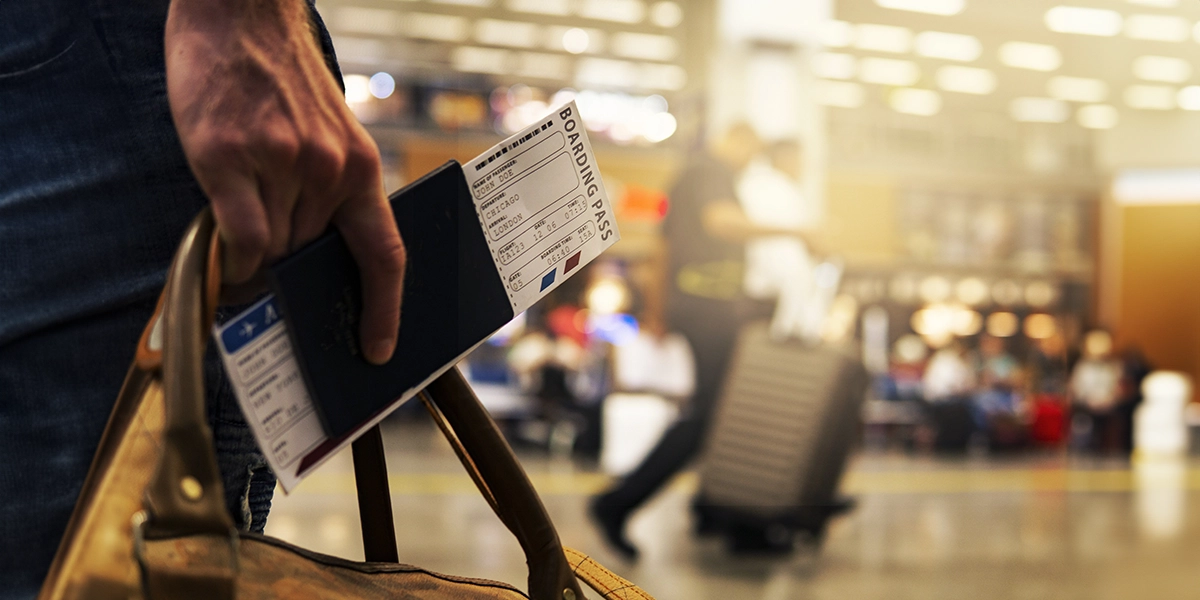
Losing a passport can turn an ordinary travel experience into a sudden logistical crisis. One moment a trip feels smooth and predictable, and the next it becomes a race against time, paperwork, and unfamiliar bureaucracy. The sense of urgency is immediate, especially when flights, hotel bookings, or visa requirements depend on having valid identification in hand.
During my years of traveling across the Americas, I have seen how quickly a missing passport can disrupt even the most carefully planned journeys. Some travelers lose it in transit, others discover it is missing after a night out, and a few realize too late that it was stolen along with their belongings. In each case, the question becomes the same: how to replace a lost passport quickly without derailing the entire trip.
The First Steps After Losing a Passport
The first hours after realizing a passport is missing are often the most important. Panic can easily take over, but quick and structured action makes a significant difference in how smoothly the situation is resolved. The priority is confirming whether the passport is truly lost or simply misplaced.
I have met travelers who retraced their steps multiple times before discovering their passport tucked inside a bag pocket or hotel safe. Because of this, a brief but thorough search is always worth the effort. Checking luggage, clothing pockets, hotel rooms, and transport seats can sometimes resolve the issue without further escalation.
If the passport is not found, the next step is to secure personal belongings and ensure that no additional documents or valuables have been compromised. Losing a passport often goes hand in hand with losing other identification or travel items, so organizing what remains becomes essential.
Reporting the Loss to Local Authorities
Once it is clear that the passport cannot be recovered, reporting the loss to local authorities becomes a necessary step. In many countries, a police report is required before a replacement passport or emergency travel document can be issued.
This report serves as an official record that the document is missing, which helps prevent misuse or identity fraud. Authorities use this information to flag the lost passport in international systems, reducing the risk of it being used illegally.
I have observed that travelers who complete this step early often experience fewer delays later in the process. Having official documentation of the loss also helps embassies and consulates process replacement requests more efficiently.
Contacting Your Embassy or Consulate Immediately
The embassy or consulate is the most important point of contact when a passport is lost abroad. These offices exist specifically to assist citizens facing emergencies outside their home country, including lost or stolen travel documents.
Most embassies provide clear instructions on their websites for emergency situations, including contact numbers and required documentation. In urgent cases, some offices operate emergency hotlines that assist travelers outside of normal business hours.
I always encourage travelers to contact their embassy as soon as possible after confirming a loss. Delays in communication can extend processing time and complicate travel plans unnecessarily.
What Embassies Will Ask For
When applying for a replacement passport, embassies typically require proof of identity and citizenship. This may include government-issued identification, photocopies of the lost passport, birth certificates, or other supporting documents.
Travelers are also usually required to provide passport photos that meet strict official requirements. These photos must comply with specific standards regarding size, background, and facial expression.
In addition, embassies may request details about travel plans, including flight itineraries or proof of urgent travel needs. These details help determine whether an emergency passport or a full replacement document is appropriate.
Emergency Passport Versus Full Replacement
In many cases, travelers are issued an emergency passport rather than a full replacement document. Emergency passports are designed for short-term use, often allowing travelers to return home or complete urgent travel plans.
Full replacement passports, on the other hand, are issued for standard long-term use and may take longer to process. The choice between the two depends on the traveler’s situation, urgency, and destination requirements.
I have seen travelers relieved to receive emergency documents within hours, even though they initially feared being stranded for days. These temporary solutions are designed specifically for time-sensitive situations.
Processing Times and What to Expect
The time required to replace a lost passport can vary significantly depending on location and circumstances. In some cases, emergency documents may be issued the same day, while full replacements may take several days or longer.
Processing speed often depends on staffing, security verification procedures, and the completeness of the application. Providing accurate documentation from the beginning can significantly reduce delays.
I have noticed that travelers who arrive prepared with all required documents tend to move through the process more efficiently than those who need to return multiple times with additional paperwork.
Staying Legally in the Country While Waiting
A lost passport does not automatically make a traveler illegal in the country they are visiting. However, it does create complications that must be addressed promptly through official channels.
Embassies typically issue documentation that allows travelers to remain legally in the country while their replacement passport is processed. This may include temporary identification or travel authorization letters.
It is important to follow local immigration instructions carefully during this period. Failing to do so can create additional legal or administrative issues that complicate departure later.
How Airlines Handle Lost Passport Situations
Airlines play a critical role in international travel, and their policies often determine whether a traveler can board a flight after losing a passport. Without valid documentation, boarding is generally not permitted.
However, airlines will usually accept emergency travel documents or temporary passports issued by embassies. These documents must meet international travel standards and be recognized by the destination country.
I have seen travelers successfully board flights using emergency passports issued just hours before departure. Coordination between embassies and airlines often makes this possible.
Digital Copies and Documentation Backup
One of the most useful preventative measures for lost passports is maintaining digital and physical copies of important documents. These copies can significantly speed up the replacement process.
Embassies often request supporting documentation to verify identity, and having scanned copies stored securely can help confirm details more quickly. Cloud storage, email backups, or secure travel apps can be useful in these situations.
I always keep digital copies of essential travel documents when moving between countries. While they do not replace the original passport, they often make emergency procedures smoother.
Replacing a Passport While Traveling Between Countries
Travelers visiting multiple countries on a single trip face additional challenges when a passport is lost. Moving between borders without proper documentation is not possible, which means plans may need to be adjusted.
In such cases, the nearest embassy or consulate becomes even more important. Travelers may need to remain in one location until replacement documents are issued.
I have encountered travelers who had to pause multi-country itineraries temporarily while waiting for emergency passports. Although inconvenient, the process is usually manageable with proper communication and planning.
Costs Involved in Replacement
Replacing a lost passport often involves fees, which vary depending on the issuing country and type of document. Emergency processing may also carry additional costs due to expedited service.
Beyond official fees, travelers may incur unexpected expenses such as extended accommodation, transportation changes, or missed bookings. These costs can accumulate quickly during emergencies.
Travel insurance may sometimes help cover certain expenses, although coverage varies widely. Reviewing policy details before travel can provide clarity on potential reimbursements.
Common Mistakes Travelers Make
One of the most common mistakes is delaying the reporting of a lost passport. Some travelers spend too much time searching instead of contacting authorities and embassies.
Another frequent issue is failing to carry backup identification. Without alternative proof of identity, the replacement process can become slower and more complicated.
I have also seen travelers underestimate the importance of following embassy instructions precisely. Missing a single document or appointment can extend processing time significantly.
Emotional Impact of Losing a Passport
Beyond logistics, losing a passport can create emotional stress. Travelers often feel anxious, frustrated, or even embarrassed when they realize their primary travel document is gone.
This reaction is completely natural, especially in unfamiliar environments. However, staying calm and focusing on practical steps is the most effective way to resolve the situation.
I have spoken with many travelers who initially felt overwhelmed but later described the experience as manageable once they engaged with embassy staff and followed official procedures.
Preventing Future Passport Loss
While no method guarantees a passport will never be lost, several habits can significantly reduce risk. Keeping the passport in a secure, consistent location is one of the simplest strategies.
Using hotel safes, travel pouches, or concealed storage options can also help protect documents. Awareness during transit, particularly in airports and public transportation, is equally important.
I make a habit of checking my passport location multiple times a day when traveling. This small routine has prevented more than one potential issue during my journeys.
Final Thoughts
Knowing how to replace a lost passport quickly can make a significant difference when unexpected situations arise during travel. While losing a passport is stressful, it is not the end of a trip or a permanent obstacle to movement.
Embassies and consulates are designed to handle these situations, offering emergency documents and guidance to help travelers continue their journeys or return home safely. Acting quickly, providing accurate documentation, and following official procedures all contribute to a smoother resolution.
In the broader context of international travel, preparation remains the most effective safeguard. Keeping copies of documents, staying aware of belongings, and understanding embassy procedures can transform a potentially disruptive situation into a manageable inconvenience. A lost passport is never ideal, but with the right steps, recovery is almost always possible.


