
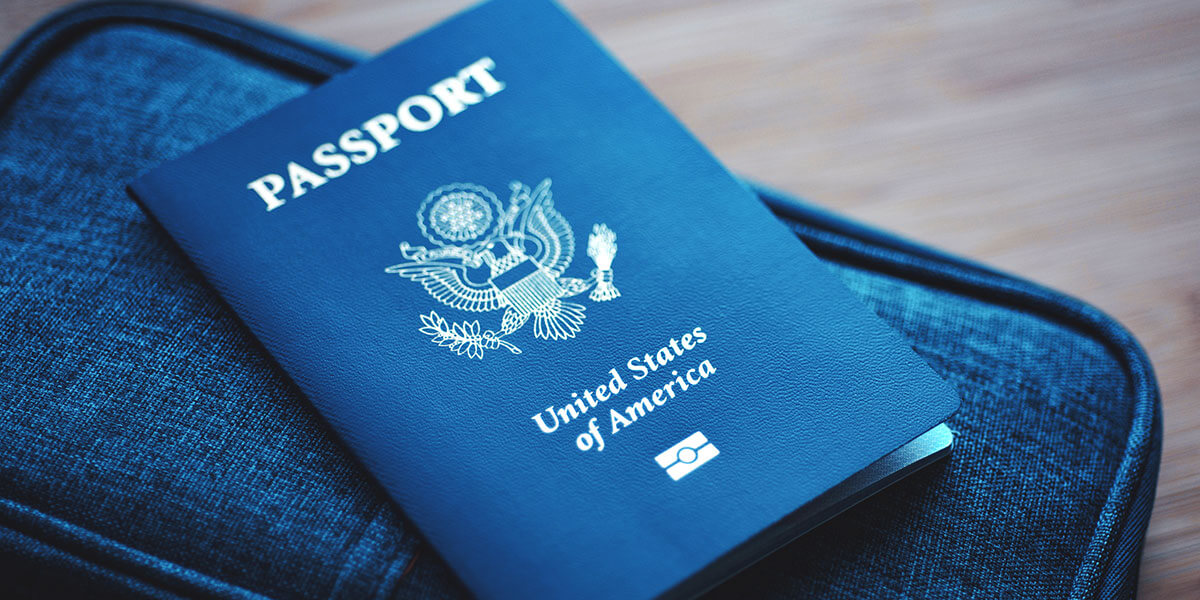
Travel plans often begin with dreams of distant destinations, flight searches, and carefully crafted itineraries. Yet one small booklet sitting in a drawer at home can determine whether those plans move forward or come to an abrupt stop. Many travelers focus on booking tickets and reserving accommodations while paying little attention to the expiration date on their passport until it is almost too late.
Over the years, I have encountered countless travelers across the Americas who assumed their passport was valid simply because it had not yet expired. Some discovered at the airport that their destination required months of remaining validity beyond the expiration date. Others found themselves rushing through renewal processes while trying to salvage expensive travel plans. The question of how early should you renew your passport is one that deserves serious attention long before an international journey appears on the calendar.
Why Passport Expiration Dates Can Be Misleading
Many people believe a passport remains fully usable until the exact date printed on the identification page. While technically true in some situations, international travel rules often create additional requirements that catch travelers by surprise.
Numerous countries require visitors to possess passports that remain valid for at least three or six months beyond their intended departure date. Immigration authorities use these rules to reduce the risk of travelers overstaying their permitted visits due to unexpected circumstances. A passport nearing expiration can therefore become a problem even if it remains officially valid.
I have met travelers who arrived at airports with passports expiring in four months, only to discover that their destination required six months of validity. Their flights were booked, hotels were reserved, and vacation time had been approved. Yet none of that mattered because the passport failed to meet entry requirements.
The Six-Month Rule Travelers Should Know
One of the most important concepts in international travel is the six-month validity rule. While not universal, many countries apply this standard when evaluating incoming visitors. Travelers whose passports expire within six months of arrival may be denied boarding or refused entry.
The logic behind this requirement is relatively straightforward. Governments want assurance that visitors will maintain valid identification throughout their stay. Unexpected delays, medical emergencies, or travel disruptions can extend trips beyond originally planned departure dates.
Because of this rule, I rarely view the expiration date itself as the true deadline. Instead, I mentally subtract six months and treat that earlier date as the point at which renewal becomes necessary. This simple habit has prevented countless potential travel complications.
Ideal Timing for Passport Renewal
Whenever fellow travelers ask me how early should you renew your passport, my answer is usually the same: much earlier than you think. Waiting until the final months before expiration introduces unnecessary risk and limits flexibility.
A practical guideline is to begin the renewal process when a passport has approximately nine to twelve months of validity remaining. This timeline provides a comfortable margin for processing delays, unexpected travel opportunities, and destination-specific requirements.
Renewing early also eliminates the pressure that often accompanies looming deadlines. Instead of constantly checking expiration dates and processing estimates, travelers can focus on planning their journeys with confidence.
Processing Times Are Not Always Predictable
Government agencies work hard to process passport renewals efficiently, but timelines can fluctuate significantly. Application volumes, staffing levels, policy changes, and seasonal demand all influence processing speeds.
I have seen routine renewals completed surprisingly quickly during quiet periods. I have also witnessed lengthy delays during busy travel seasons when application volumes surged beyond expectations. Relying on best-case scenarios can be risky when international travel plans are involved.
Submitting a renewal application well in advance provides protection against these variables. Even if processing takes longer than expected, travelers still have sufficient time to receive their new passport before departure.
Peak Travel Seasons Create Extra Demand
Passport agencies experience predictable periods of increased activity throughout the year. Summer vacation seasons, holiday travel periods, and school breaks often generate significant spikes in passport applications.
During these busy months, processing times can extend considerably beyond standard estimates. Travelers who wait until peak season to renew may find themselves competing with thousands of other applicants for appointments and processing resources.
I have noticed that travelers who renew during quieter months often enjoy a smoother experience. Applying before demand reaches its annual highs can reduce stress and improve turnaround times.
International Opportunities Can Appear Suddenly
Not all travel is planned years in advance. Some of the most memorable journeys begin with unexpected invitations, business opportunities, family events, or discounted airfare deals.
A passport nearing expiration can limit the ability to take advantage of spontaneous travel opportunities. Instead of booking a flight immediately, travelers may need to navigate renewal requirements first. Valuable opportunities can disappear while waiting for documentation.
Maintaining a passport with substantial remaining validity creates freedom. The ability to say yes to unexpected adventures is one of the most rewarding aspects of staying travel-ready.
Business Travelers Face Additional Considerations
Frequent business travelers often cross international borders on short notice. Meetings, conferences, client visits, and corporate assignments rarely align conveniently with passport renewal schedules.
A passport approaching expiration can create complications for employers and employees alike. Last-minute renewals may disrupt travel plans and create uncertainty around important business commitments.
Many experienced corporate travelers adopt renewal habits that prioritize convenience over maximizing passport lifespan. Renewing early minimizes risk and ensures uninterrupted access to international opportunities.
Family Travel Requires Extra Planning
Traveling with family introduces additional passport considerations. Parents are often responsible for monitoring multiple expiration dates simultaneously, which can increase the likelihood of overlooking one.
Children’s passports may have different validity periods than adult passports depending on the issuing country. Families planning international vacations should review all travel documents well in advance to avoid unpleasant surprises.
I have encountered families who carefully prepared flights, accommodations, and attraction reservations only to discover that one family member’s passport required renewal. Such situations can jeopardize entire trips and create unnecessary expenses.
Visa Applications Depend on Passport Validity
Many travelers focus exclusively on passport expiration while overlooking the relationship between passports and visas. Numerous countries require passports to remain valid for a certain period before issuing travel visas.
A passport nearing expiration may prevent approval of a visa application even if the traveler otherwise qualifies. This can create a chain reaction of delays affecting flights, accommodations, and overall trip planning.
Renewing a passport before applying for visas often simplifies the process considerably. It reduces administrative complications and ensures that visa validity periods are not unnecessarily limited.
Digital Nomads and Long-Term Travelers
The rise of remote work has transformed international travel habits. Digital nomads, freelancers, and long-term travelers often spend months moving between countries while relying on their passports as primary identification.
For these travelers, passport validity becomes even more important. Multiple border crossings, visa renewals, and residency applications frequently depend on having substantial remaining passport validity.
I have spoken with remote workers who discovered mid-journey that their passport expiration date complicated residency applications or visa extensions. Proactive renewal can prevent these disruptions and support greater travel flexibility.
Signs That It Is Time to Renew
Many travelers wait until expiration is approaching before taking action. However, several indicators suggest renewal should begin sooner rather than later.
If a passport has less than a year remaining before expiration, renewal deserves consideration. Travelers with international trips planned within the next twelve months should evaluate destination requirements carefully. Passports with damaged pages, worn covers, or significant wear may also benefit from replacement before problems arise.
Treating renewal as routine maintenance rather than an emergency task creates a much smoother travel experience. Small administrative efforts today can prevent significant complications later.
The Cost of Waiting Too Long
Delaying passport renewal often creates avoidable expenses. Expedited processing fees, rushed travel arrangements, appointment scheduling challenges, and potential itinerary changes can increase costs dramatically.
Travelers facing imminent departures may have no choice but to pay premium fees for accelerated service. While these options can be valuable in emergencies, they are generally more expensive than standard renewal procedures.
Beyond financial costs, delayed renewal can create significant stress. Travel should be exciting and rewarding, not overshadowed by uncertainty regarding essential documentation.
Benefits of Renewing Early
Early renewal offers advantages that extend far beyond avoiding expiration. Travelers gain peace of mind, increased flexibility, and greater confidence when planning international journeys.
Knowing that a passport remains valid for years allows attention to shift toward more enjoyable aspects of travel preparation. Destinations, experiences, and cultural exploration become the focus instead of paperwork and deadlines.
I have always found that travel preparation feels more enjoyable when administrative tasks are already completed. A valid passport sitting ready for future adventures provides a sense of freedom that is difficult to quantify.
Common Renewal Mistakes to Avoid
Several mistakes appear repeatedly among travelers dealing with passport renewals. One of the most common is assuming expiration dates alone determine travel eligibility. Failing to account for destination-specific validity requirements can lead to denied boarding or entry.
Another mistake involves waiting until travel plans are finalized before checking passport status. Reviewing travel documents should occur during the earliest planning stages rather than shortly before departure.
Some travelers also underestimate processing times. Even when official estimates seem reasonable, unexpected delays remain possible. Building extra time into the renewal process reduces vulnerability to unforeseen complications.
Making Passport Renewal Part of Travel Planning
Successful travelers often develop habits that simplify future journeys. Regularly reviewing passport validity is one of the most effective practices anyone can adopt.
I make a point of checking passport expiration dates whenever I begin considering international travel. Even if a trip remains hypothetical, verifying documentation status provides clarity and prevents surprises later.
Many travelers set digital reminders months before expiration dates. This simple strategy transforms passport renewal from an urgent task into a routine administrative responsibility.
Final Thoughts
The answer to how early should you renew your passport depends on your travel habits, destinations, and tolerance for risk. However, waiting until the final months before expiration rarely provides any meaningful advantage. Instead, it increases the likelihood of delays, additional expenses, and unnecessary stress.
A practical approach is to renew a passport when nine to twelve months of validity remain, particularly for travelers who anticipate international trips. This timeline accommodates processing delays, visa requirements, and destination-specific entry rules while preserving flexibility for future opportunities.
Travel often rewards preparation. Renewing a passport early may seem like a minor administrative task, but it can protect vacations, business trips, family reunions, and spontaneous adventures from avoidable complications. The peace of mind that comes with a valid passport is well worth the effort, allowing travelers to focus on exploring the world rather than worrying about paperwork.


